

Padma Shri Awardee
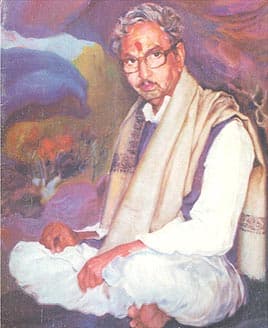
Dr. Vishnu Shridhar Wakankar
Pioneer of Indian rock art studies, discoverer of the Bhimbetka rock shelters, and a visionary archaeologist whose work reshaped our understanding of ancient Indian civilisation.
Born
4 May 1919
Neemach (Madhya Pradesh)
Field
Archaeology • Rock Art
Award
Padma Shri (1975)
Publications
6 Books • 400+ Papers
Education
- Primary Education – Dhar
- GD Art – Mumbai
- BA & MA – Vikram University, Ujjain
- PhD (History & Archaeology) – Pune
Institutions Founded
Dr. Wakankar founded the Bharati Kala Bhavan in Ujjain, a centre dedicated to the study of drawing, painting, sculpturing and artistic traditions.
He also established the Wakankar Bharati Sanskruti Anveshan Nyas, devoted to research in ancient Indian history, archaeology, numismatics, epigraphy and rock art.
Life & Milestones
1919
Birth of Dr. Vishnu Shridhar Wakankar in Neemach, Madhya Pradesh.
1957
Discovery of the Bhimbetka Rock Shelters while travelling by train near Bhopal — a turning point in Indian rock art research.
1975
Awarded the prestigious Padma Shri for his contributions to archaeology and cultural heritage.
1980s
Led expeditions tracing the ancient river Saraswati and studying archaeological sites associated with the Sindhu–Saraswati civilisation.
Research & Publications
Dr. Wakankar presented numerous papers at national and international conferences and authored more than six books and over 400 scholarly publications.
His extensive travels enabled him to study major archaeological sites and museums around the world while presenting exhibitions and lectures on India's cultural heritage.
Major Contributions
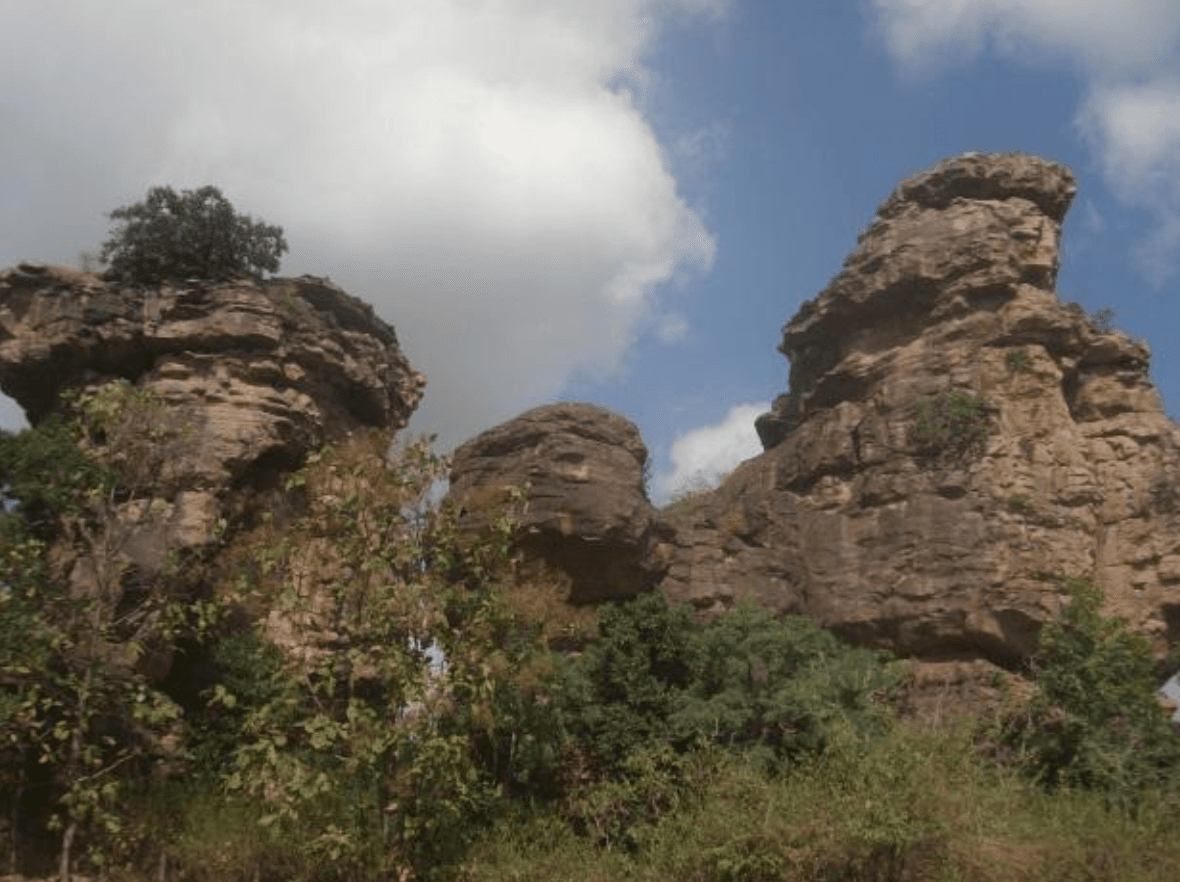
Painted Rock Shelters of Bhimbetka
Amidst the Ratapani Wildlife Sanctuary near Bhopal lie the remarkable Bhimbetka rock shelters containing prehistoric paintings more than 10,000 years old.
Dr. Wakankar discovered and documented nearly 750 rock shelters, forming one of the most significant rock art complexes in the world and recognised today as a UNESCO World Heritage Site.
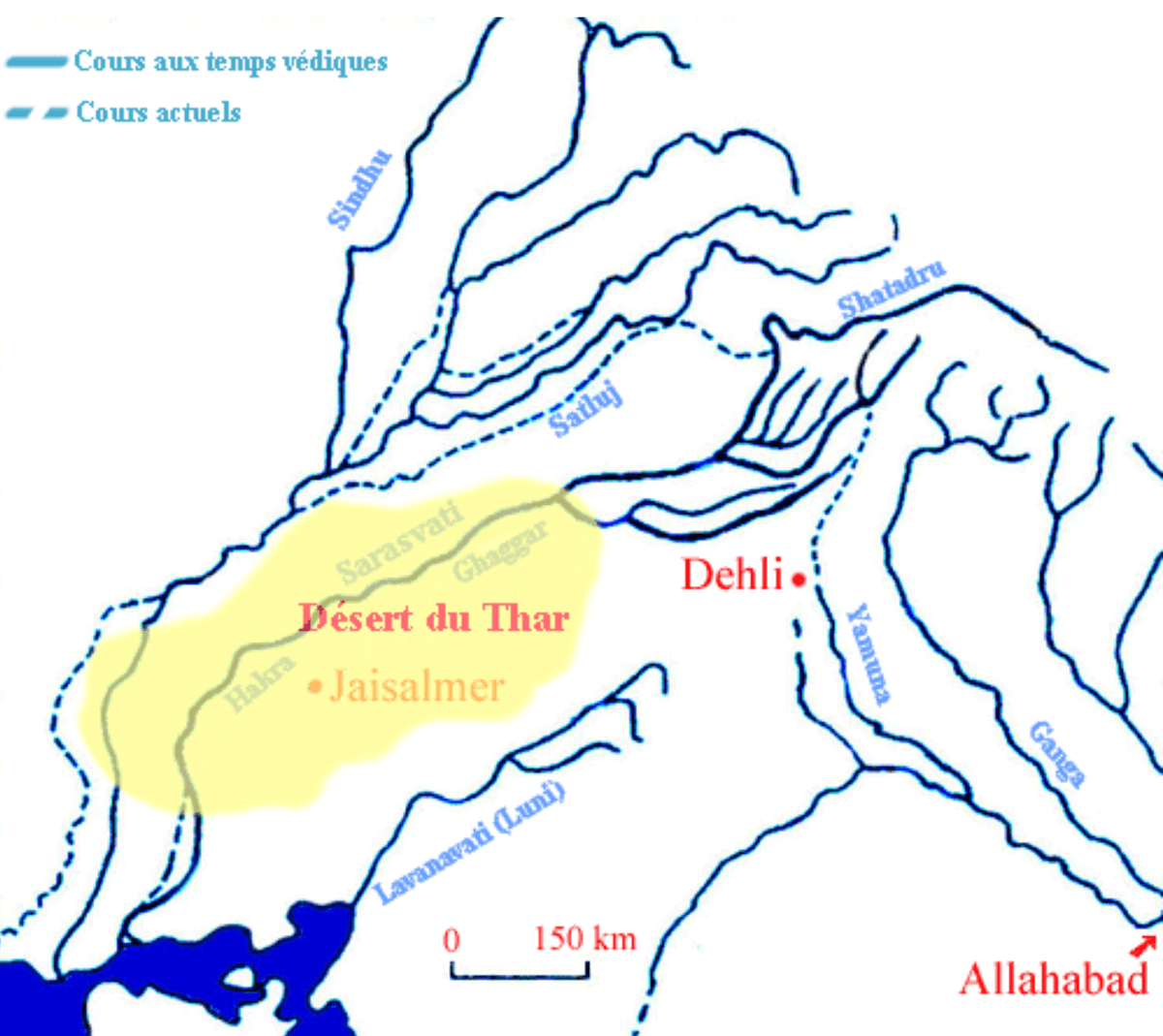
Tracing the Lost River Saraswati
Another major contribution was tracing the ancient river Saraswati. Dr. Wakankar led expeditions that identified archaeological sites associated with the Harappan period along the river's ancient course.
His research strengthened the idea that the civilisation of the Indus region should be understood as the Sindhu–Saraswati Civilisation.
Dongla Meridian Discovery
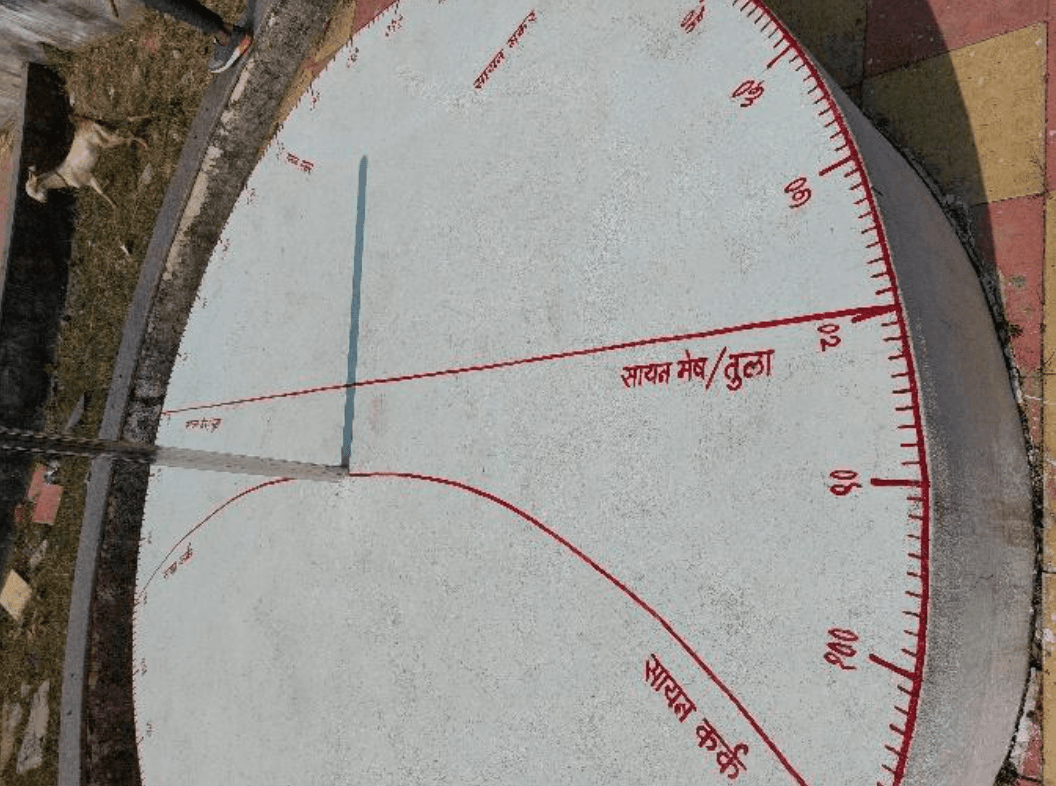
At Dongla village near Ujjain, Dr. Wakankar identified a geographical point where the Tropic of Cancer intersects a specific longitude.
During summer solstice the sun stands exactly overhead, casting no shadow — a phenomenon of great astronomical significance.
Legacy
Through his discoveries and research, Dr. Vishnu Shridhar Wakankar transformed the global understanding of prehistoric rock art and ancient Indian civilisation. His work at Bhimbetka placed India prominently on the world map of archaeology and earned him the prestigious Padma Shri award in 1975.